
What Are the Benefits of Moringa Oleifera?
Food
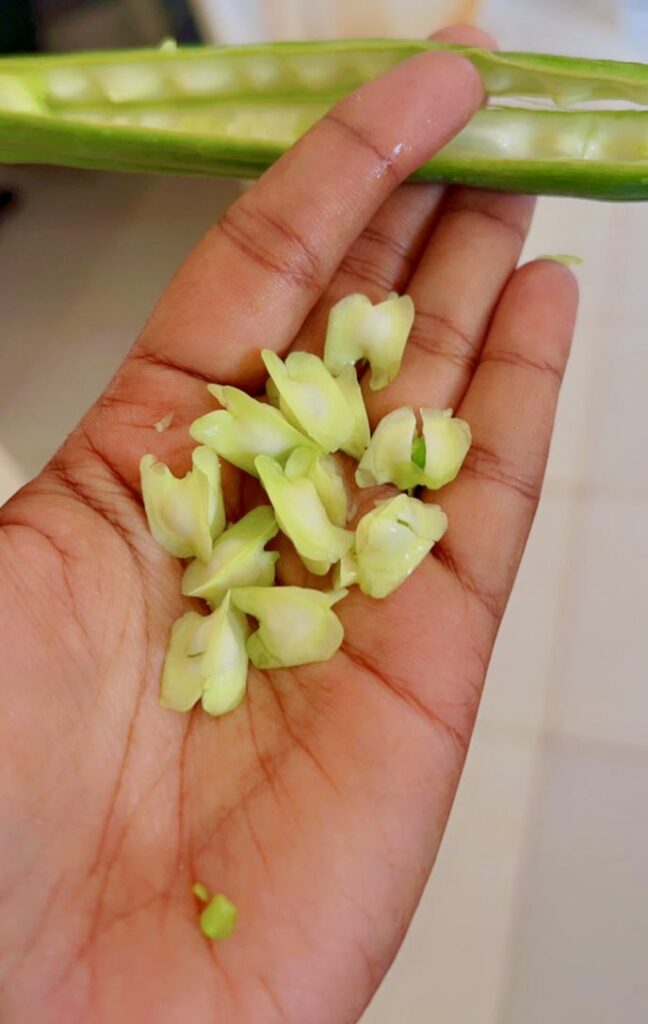
Moringa Oleifera is a drought-resistant tree that can provide healthy food under extreme drought conditions. People in South Asia have been eating Moringa for thousands of years. The leaves of the tree are rich in protein, iron, and other essential nutrients. Both the leaves and the seed pods can be cooked. Once you add Moringa to your regular diet, you and your children will soon notice many health benefits. It is considered a nutritious “superfood” around the world!
Cooking Moringa leaves takes practice. The easiest recipe is to sauté the leaves in a bit of oil, and then add salt and spices for flavour. Some people who are not used to eating leafy food find it bitter at first, and so they like to add a bit of sugar or chillies to enhance the flavour. To improve the taste, cook the leaves until they are fully wilted and soft. You can also add the leaves to meat stews and soups that cook for a long time.
Fodder
Many animals can safely eat Moringa, which makes it a great crop to feed your livestock during a drought. Moringa leaves can be added to chicken feed, with positive effects on both chicken health and egg production. Cows, sheep, and goats also benefit from incorporating Moringa Oleifera leaves into their diet. Although Moringa Oleifera has been used as animal fodder for centuries, newer research suggests that the best way to use Moringa as fodder is to boil, blanch, or sun-dry the leaves before large-scale animal consumption. If you have a big farm, you may want to learn how to ferment Moringa Oleifera leaves to create a “superfood” fodder for your livestock.
Traditional Medicine
Moringa Oleifera has been used in traditional medicine for over 5000 years. The flowers, leaves, and seeds have been used for wide range of ailments, such as diabetes, arthritic inflammation, digestive conditions, and more. There is no harm in eating these parts of the Moringa tree; however, if you are using them to treat a particular condition, it is important to talk to your doctor, especially if you are taking other modern medicines. For example, if you take a prescription medicine for diabetes and then you also start using Moringa Oleifera as an extra herbal treatment, you may lower your blood sugar levels much more than if you were only using the prescription. Always check with a doctor about your prescription medicines and any natural supplements you take, like Moringa Oleifera.
Water Purification
Moringa Oleifera seeds can help remove certain impurities from dirty water. The seeds, when prepared properly, can turn cloudy or muddy water into clear water. If done correctly, you can use your tree to turn cloudy or muddy water into safer drinking water for you and your family, especially in times of water shortage or emergency.
Check out the videos below:
Try purifying water with Moringa seeds yourself using the following steps:
- Start with mature Moringa seeds that have been harvested and dried.
- Remove the seeds from the pods and take off the husk.
- Take out the white seed kernels and crush them until they are powder.
- Mix the powdered seeds with 1 cup of CLEAN water, stirring quickly for 2 minutes until combined.
- Now pour the clean solution into the dirty or muddy water. Stir quickly for 1 minute, and then slowly and continuously for 5 more minutes.
- Let the treated water sit undisturbed for 1-2 hours. When you come back, the contaminants will be collected at the bottom of the jug.
- Carefully pour the clean water into a fresh drinking water jug, and throw the dirty sediment at the bottom away. You can use a clean cloth as a filter as you pour.
- Sterilize the water by boiling it for 1 minute, and then let it cool off before drinking.
You should be able to use 1 Moringa seed to clean 1 litre of dirty water. However, the results may vary depending on the quality of the seeds or level of contamination of the water. If your water is very dirty, use more seeds. Experiment with the amount of seeds per litre until you find a mix that works best for you.
Remember that while Moringa Oleifera can remove many contaminants, your at-home treatment may not be as perfect as a lab study. Therefore, once you have turned the muddy water into clear water, the best way to fully sterilize it is to boil it for 1 minute before drinking. If you live in an area with a cholera outbreak, boil for 10 mins to be safe.
Where Does Moringa Come From?
Moringa Oleifera is a natural, drought-resistant tree that is native to parts of India and Pakistan that are hot and dry. It has been cultivated and eaten for many hundreds of years, and its leaves and seeds are considered “superfoods” because of their high nutritional value. Because people on the Indian subcontinent have been eating Moringa for centuries, many popular recipes are spicy Indian dishes. However, there are many ways that people can cook Moringa leaves and seeds to their own taste.
Although Moringa Oleifera originally came from the Himalayas, it has since become a popular crop across Africa and South America. There have been local varieties of the tree growing in the Horn of Africa and the Sahel regions for many decades. More recently, many agricultural companies have started to sell Moringa Oleifera plants to farmers, as these trees have both health and commercial value.
Why is Moringa in Somalia?
Scientific records show that Moringa Oleifera was present in Somalia before the 1990s, and that this tree was part of Somalia’s agricultural ecosystem at that time. However, there was no evidence of widespread community cultivation of Moringa Oleifera in Somalia until the past ten years. This means that while Somalia has had Moringa for decades, it appears that knowledge of this tree was lost during the war.
This changed during the 2011 famine crisis in Somalia, which created an extreme humanitarian crisis. In 2012, Dr. Deqo and her team identified a local variety of Moringa Oleifera and bought seeds to build a nursery on Dr. Deqo’s hospital property. The trees in the nursery quickly prospered and proliferated, even under the severe drought conditions. In response to local humanitarian need, Dr. Deqo then shared the leaves and seeds with the tens of thousands of internally displaced persons living next to her clinic. The Moringa seeds – and the knowledge of how to use them – quickly spread through these communities. By 2014, Moringa Oleifera trees were present across Mogadishu, with widespread urban cultivation as well as adoption in nearby villages and towns. By 2018, Moringa Oleifera was reportedly being cultivated in cities and towns across Somalia.
0 Comments